

The disconnect between visibility and engagement to contact conversion real estate reveals a broken funnel, not a content problem.
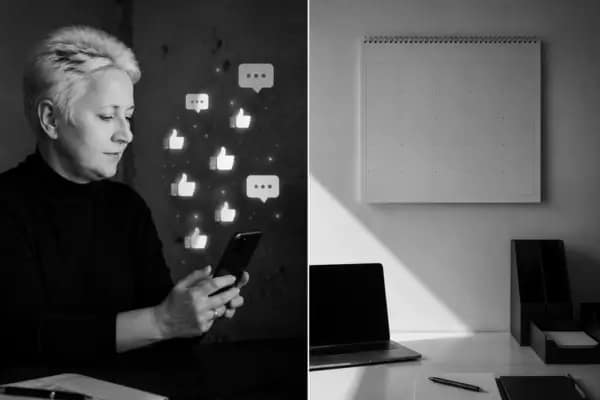
What most people miss when trying to build a real estate business through social media is this: engagement and contact are two entirely different things. You can have hundreds of likes, dozens of comments, and thousands of impressions. But none of that matters if nobody is moving from social media into actual conversation with you.
This is the gap where most agents lose momentum. They see engagement happen. They feel validated by the interaction. Then they wait for phone calls that never come. The result is years of posting with no real business to show for it.
The problem is not your content. The problem is what happens after the engagement.
When someone engages with your post, they are not taking action. They are staying on social media. They are part of the 97 percent who are not ready now but might be someday. And if you have no system to move them from engagement to conversation to database, they will scroll past your next post and keep scrolling.
Engagement to contact conversion is the real estate is broken for most agents. And it has nothing to do with how good your videos are.
Key Takeaway
- Engagement proves familiarity is building. But engagement does not automatically convert to contact.
- Most agents post without a system to move engaged people into conversation and database.
- The gap between engagement and contact is a system problem, not a content problem.
- Leads require multiple touch points over time to convert. Most agents quit after two or three attempts.
- High engagement and low contact means visibility without conversion strategy.
Table of Contents
The Gap Between Visibility and Conversion
Real estate social media research shows something consistent: 71% of buyers are more likely to work with agents who have a strong social media presence. And social media posts with videos generate 1,200% more shares than text and image content combined. Agents are creating engagement. That part is working.
But here is where it breaks. When someone engages with your content, they are not raising their hand for a conversation. They are consuming content. They are building familiarity. They are deciding whether they like you enough to trust you someday.
That is the secondary pillar at work. Video builds trust. Engagement proves it is working.
The problem comes next.
Most agents have no structured path to move an engaged person into a conversation. They post. Someone likes it. They post again. Someone comments. But there is no system asking engaged people for their contact information. There is no funnel moving them from passive engagement into an active database. There is no follow-up sequence staying in front of them over time.
So they remain engaged. But they never become contacts.
The data on this is stark. The research shows the average real estate lead conversion rate is reportedly between 0.4% and 1.2%. That is low. And it is not because the leads are bad. It is because the average real estate lead requires 8 to 12 follow-up attempts in the form of calls, texts, or emails to be scheduled for an appointment.
Most agents attempt two or three follow-ups, then stop. They think they are being annoying. So the lead disappears back into the 97 percent.
Your Engagement Problem is a System Problem
Here is the structural issue most agents miss. Engagement happens on social media. Contact happens in your database. These are two different channels. Two different systems. Two different conversations.
When someone engages with your post, they are doing one thing. They are staying on the platform where your content appeared. They are not coming to your website. They are not giving you their phone number. They are not entering your CRM.
You can have excellent engagement to contact conversion metrics if you build the structure to capture engaged people. But if you simply post and hope people call, you will wait forever. As we explored in the positioning gap that costs agents business, being seen is not the same as being remembered or chosen. And being remembered is not the same as being contacted.
The progression that actually works is this: Content creates engagement. Engagement creates familiarity. But to move from familiarity to client, you need an intentional path. That path usually requires three things.
First, a clear call to action that asks engaged people for something specific. Not a generic “call me.” A specific reason to give you their contact information. A guide. A market report. A neighborhood video. A home valuation. Something that proves value and captures a contact.
Second, a multi-channel follow-up system. Leads that receive contact attempts across email, SMS, phone, and social media are significantly more likely to respond than those contacted through a single channel. Engaged people do not convert because you only see them on social media. You need to reach them where they are also available. Email. Text. Phone. Direct message.
Third, a follow-up cadence that extends months, not days. Research shows leads who receive six or more contact attempts convert at rates 70% higher than those who receive fewer touches. Most agents contact two or three times, then move on. The people who convert are the ones who stay visible across multiple platforms for an extended period.
Without these three elements, engagement stays engagement. Contact never happens.
What Agents Think Is Happening vs. What Actually Happens
Most agents interpret their own engagement problem backward. They see low contact and conclude their content is not good enough. So they make more videos. They post more often. They try new platforms.
But the content was never the problem. The visibility is working. People are engaging. The problem is everything that happens after engagement.
The real estate industry has been trained by lead generation companies to chase the 3 percent. The 3 percent who are actively looking to buy or sell right now. Agents spend money on Zillow. They pay for leads. They focus all energy on people ready to take action today.
This leaves the 97 percent visible but unmanaged.
Your social media followers are mostly the 97 percent. They follow you because they recognize you. They engage because they like you. But they are not ready to contact you yet. Some will be ready next month. Some next year. Some in five years.
If your system only works for the 3 percent, you will keep chasing leads and keep struggling. You will generate engagement from the 97 percent, but you will not convert them because you have no system for them. This is exactly what real estate agent market recognition research shows. Recognition is the first step. But recognition without a follow-up system remains untapped potential.
Agents who solve this problem do not get more engagement. They build infrastructure to manage the engagement they already have.
The Real Cost of Engagement Without Conversion
Consider this: You spend three hours creating a video. You post it across platforms. It gets 200 likes. 30 comments. 1,200 impressions.
Someone who sells leads would tell you this is successful. Your engagement rate is good. Your reach is impressive.
But how many of those 1,200 people gave you their contact information. Probably zero. How many of those 200 people who liked it will become clients. Almost certainly none, because you have no system to stay in front of them.
So those three hours created visibility but not business opportunity.
Now reverse engineer it. What if instead of one post that created 1,200 impressions with zero contacts, you created a post that created 200 impressions but captured 20 email addresses. Then you had a system that stayed in front of those 20 people for three months. Then you offered them something specific. That is more valuable than 1,200 untapped impressions.
The cost of high engagement with low contact conversion is opportunity cost. You are generating visibility. But you are not converting it into business.
The gap between social media presence and revenue generation remains frustratingly wide for most real estate professionals. The problem is not lack of content or engagement. It is the absence of strategic pathways that guide followers from casual viewers to serious buyers and sellers.
This is the real cost. Wasted visibility.
How the Conversion Sequence Actually Works
Agents who build predictable pipelines understand this: The path from engagement to contact requires intention.
It starts with a specific reason for engagement to convert to contact. Not a generic CTA. A specific, valuable reason. A home seller guide. A buyer qualification checklist. A market report. A neighborhood walkthrough video. Something that proves you understand your market and creates genuine value for someone in the 97 percent.
This is the bridge. Engagement becomes contact because engagement served a purpose beyond social connection.
Then comes the system. Once you have contact information, you need a structured follow-up sequence. Not sporadic. Not dependent on your memory. Automated, intentional, multi-channel.
Someone engages with your post. They download your guide. They enter your system. Your system sends a welcome email. Three days later, a text with a market update. Five days later, an email with a relevant listing. Eight days later, a phone call if they have not responded yet. Two weeks later, another email. A month later, a Facebook retargeting ad.
The person who engaged three weeks ago is now seeing you across five different channels. They are recognizing you again. They are realizing you are not just a social media presence. You are building authority through consistency and relevance.
This is how engagement converts to contact. It requires structure, not luck.
What Separates Agents With Strong Pipelines From Those Still Chasing
The agents building predictable real estate businesses are not the ones with the most engagement. They are the ones who managed engagement into systems. They understand that engagement without database is just entertainment.
They build lead magnets that feel valuable, not needy. They set up automation so follow-up happens consistently. They treat the 97 percent as future business, not failed prospects.
Most agents remain frustrated because they are waiting for engagement to convert on its own. It will not. Engagement proves you are becoming recognizable. It does not prove you have a business system.
The agents who break through understand the difference. They generate engagement. Then they systematically move it into their database. Then they systematically nurture it over months. Then they systematically convert it when the time is right.
Your engagement to contact conversion problem is not a content problem. It is a system problem. And system problems have system solutions. Not more visibility. Better conversion infrastructure.
FAQ: Why Your Engagement Isn’t Converting to Contact
What is the difference between engagement and contact in engagement to contact conversion?
Engagement is someone liking or commenting on your post while staying on social media. Contact is them giving you their phone number or email address and entering your system. Engagement proves visibility. Contact proves you have a reason for them to take action.
How do I get engaged people to give me their contact information?
Offer something specific that solves a problem. A home valuation. A market report. A buyer guide. A free consultation. Engaged people will give their information when the value is clear and specific to their situation.
Should I follow up immediately after someone engages?
Immediate follow-up helps, but the bigger issue is consistent follow-up over time. Most engaged people are not ready to contact you immediately. Build a system that reaches them across multiple channels for several months before expecting contact.
Does more content create more contact?
No. More content creates more engagement. Contact comes from systems that convert engagement into database, then nurture database over time. Better systems, not more content, solve the engagement to contact conversion problem.
What if someone engages but never converts to contact?
They might never be ready. That is acceptable. But until you know that, treat them as part of your 97 percent. They are building familiarity with you. Someday they might remember you when they need a real estate professional. Your system keeps you visible until that moment arrives.
Final Thought on Peoples’ Engagement to Contact Conversion Real Estate
You are not failing at social media. You are succeeding at visibility. What you are failing at is converting visibility into system. Engagement proves it is working. No contact means the bridge is missing.
Build the bridge. Stop waiting for engaged people to contact you. Create a specific reason for them to give you their contact information. Then build the system to stay in front of them until they are ready. That is when engagement converts to business.
The gap between visibility and conversion is killing more real estate businesses than lack of visibility ever could. If you are generating engagement but no contact, the problem is structural, not talent.
Schedule a Market Availability Review. We will diagnose where your conversion system is broken and what actually needs to happen next.
Reference Resources
Real Trends Research:Lead conversion rates increase 70% when prospects receive six or more contact attempts across multiple channels
MIT Lead Response Management Study: Leads contacted within 5 minutes are 21 times more likely to convert than those contacted after 30 minutes
National Association of REALTORS Profile of Home Buyers and Sellers 2024: 71% of buyers are more likely to work with agents who have a strong social media presence
Ylopo Real Estate Marketing Research: Realtors contacting leads within minutes show 391% higher conversion rates; leads require 7-12 touch points for conversion
Realtor.com Social Engagement Study: Listings with video receive 12x more shares than photo carousel posts on social media
Related Posts



Author Annett T. Block
Annett T. Block is a real estate marketing strategist and licensed Florida broker. She works with real estate agents who want to stop chasing leads that die on the vine and start attracting business from people who already know them through video-first warm audience building, retargeting, and consistent market presence. She is the founder of The Digital Adopters.
Her thesis is simple: The lead isn’t dead. You asked for the conversation before they knew you.
One agent. One market. ZERO COMPETITION.
In real estate since 2008. Licensed Florida Broker since 2011. More than 2,000 agents, teams, and brokerages served. Featured in Inman News. She is the author of From Listings to Legends.